Due to a recent change in our pharmacy software system, the process for submitting refill requests online has now changed.
Our previous mobile app and your current login credentials will no longer work.
Please click the Refill Online tab to begin the new process.
Thank you for your patience during this transition.

Manténgase sano!
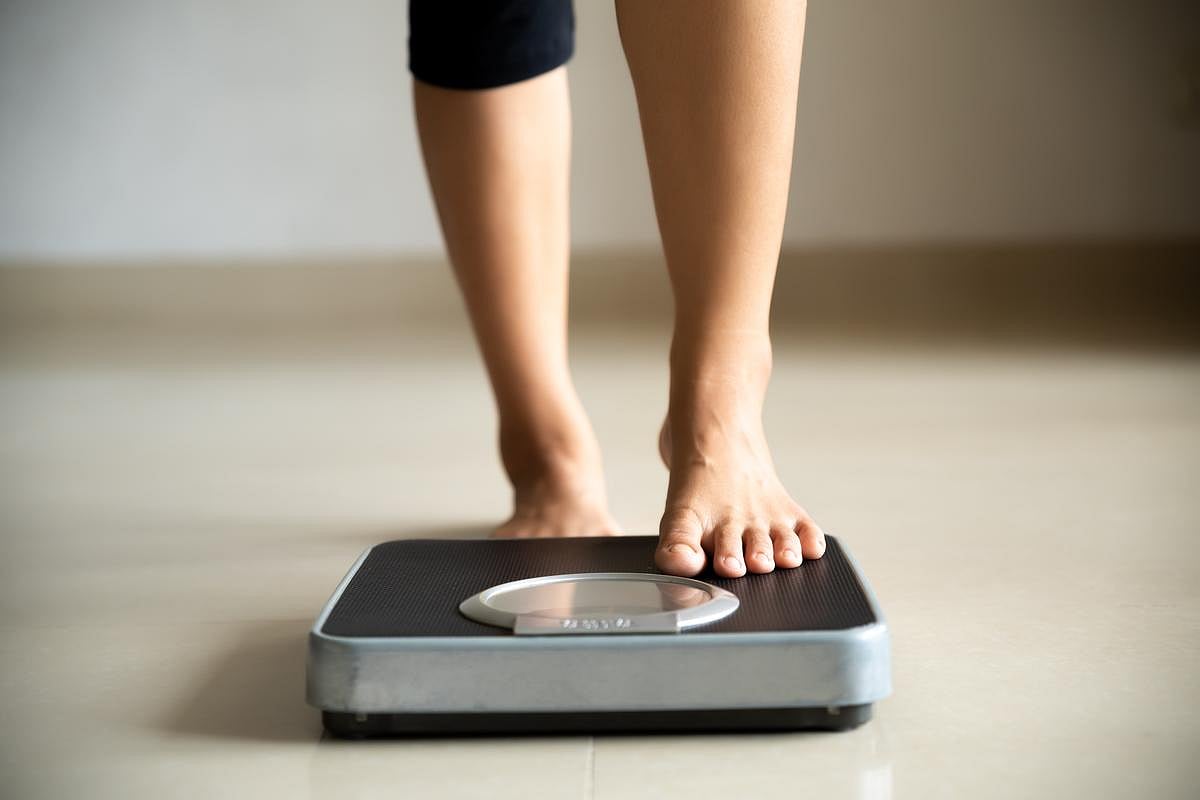
- Posted April 1, 2026
Study Shows BMI Often Gets Your Weight Category Wrong
For decades, Body Mass Index (BMI) has been a standard tool doctors use to tell patients if they are underweight, normal weight or obese.
But a new study shows that this simple math equation -- an estimate of based only on height and weight -- is often wrong.
Research to be presented in May at the European Congress on Obesity in Istanbul used advanced medical scans to measure actual body fat. The upshot: BMI misclassified more than one-third of participants.
The findings, previously published in the journal Nutrients, highlighted a known limitation: BMI can't tell the difference between heavy muscle and excess fat.
To put BMI to the test, researchers measured body fat of 1,351 white Caucasian adults using a technology called dual-energy X-ray absorptiometry (DXA).
A DXA scan uses low-level X-rays to measure bone density, muscle mass and fat tissue, giving a more complete picture of body fat percentage.
The results showed a significant mismatch with BMI.
Among those labeled as obese based on BMI, 34% actually belonged in the overweight category.
Misclassification was even higher for those whose BMI classified them as overweight (53%) and underweight (68%), the study found.
Most actually had a normal body fat percentage, while a smaller portion should have been classified as having obesity.
“Our main finding highlights the fact that a large proportion of individuals, exceeding one-third of adults among the Italian general population, is misclassified and placed in an incorrect weight status category, when relying relying on the traditional WHO BMI classification,” said researcher Dr. Marwan El Ghoch of the University of Modena and Reggio Emilia in Modena, Italy.
He noted in a news release that this leads to an overestimation of how many people are truly underweight or overweight.
Overall, 78% of the participants were correctly classified as normal weight based on BMI.
Because BMI is so easy to calculate, it remains the primary tool for general practitioners, health insurance companies and government policy makers.
However, using an inaccurate tool can lead to unnecessary stress for patients or even higher insurance premiums.
The study authors pointed out that the mismatch exists across all age groups and genders.
“Public health guidelines in Italy need to be revised to consider combining direct body composition or their surrogate measures such as skinfold measurement or body circumference -- such as the waist-to-height ratio -- with BMI while assessing weight status in the general population,” the researchers concluded.
They suspect similar levels of misclassification are likely happening across Europe and the United States.
While the study focused on Caucasian individuals to avoid variations in body types across different ethnicities, the researchers are calling for more global studies.
In the meantime, they suggest that doctors look at other measurements, such as the waist-to-height ratio or skinfold tests, to get a better sense of a patient's true health.
More information
The U.S. Centers for Disease Control and Prevention explains the limitations of using BMI as a diagnostic tool.
SOURCES: European Association for the Study of Obesity, news release, March 27, 2026; Nutrients, June 29, 2025


